¶ Cosmological Glyphs
The Cosmological Glyphs are the symbols most closely associated with endings, continuity, entropy, remembrance, return, silence, gravity, pulse, and the long transformations of matter across time.
Where the Core Glyphs teach the disciplines of mind, inquiry, discernment, and illumination, the Cosmological Glyphs teach the reader how to contemplate scale: stellar death, recurrence, dissolution, legacy, and the persistence of law beyond individual life.
These glyphs are most strongly associated with Book V — Elegy of the Cosmos, but their meanings extend throughout the Codex wherever the text turns toward mortality, deep time, decay, renewal, and cosmic law.
¶ How to Use This Page
Each entry includes:
- the formal glyph name
- a linked glyph image
- its meaning
- its common uses
- related themes
- primary book and chapter associations
For how these glyphs combine into symbolic sequences, see Glyph Grammar.
For where these glyphs most naturally appear in scripture, see Glyph Cross-Reference.
¶ ☼ Glyph of Collapse

Meaning: Transformation through endings — the grandeur of stellar death birthing new worlds.
Use: Used in ceremonies honoring endings, transitions, relinquishment, and the fertile power of collapse.
Related Themes: collapse, transition, transformation, endings, stellar death
Primary Book/Chapter Associations: Book III Chapter 2; Book V Chapter 1; Book VI Chapter 3
¶ ⚛ Glyph of Remembrance

Meaning: Cosmic memory — the record of stellar origins carried within all matter.
Use: Used in rites of ancestry, origin, memory, and reflection on what survives through form.
Related Themes: memory, ancestry, origin, inheritance, elemental continuity
Primary Book/Chapter Associations: Book V Chapters 1, 5
¶ ✹ Glyph of Hymn

Meaning: Legacy in motion — the song of entropy spreading the gifts of stars.
Use: Used in communal recitation, invocation, and symbolic acts of sending thought, blessing, or memory outward.
Related Themes: hymn, transmission, radiance, legacy, outward blessing
Primary Book/Chapter Associations: Book I Chapter 1; Book II Chapter 4; Book V Chapter 1; Book VII Letter 4
¶ ⚫ Glyph of Gravity

Meaning: Inevitability — unseen forces drawing all things toward their center.
Use: Used in meditations on destiny, commitment, attraction, consequence, inward pull, and the shaping power of relation.
Related Themes: gravity, inevitability, pull, center, destiny
Primary Book/Chapter Associations: Book II Chapter 4; Book III Chapter 3; Book V Chapter 2; Book VI Chapter 2
¶ 𐄷 Glyph of Silence

Meaning: Stillness before meaning — the breath held before creation.
Use: Used before beginnings, in sacred pauses, and in practices of quiet attention, receptivity, and restraint.
Related Themes: silence, stillness, beginning, pause, threshold
Primary Book/Chapter Associations: Invocation; Prologue; Book I Chapter 1; Book IV Chapter 5; Book V Chapter 2
¶ ∞ Glyph of Continuum
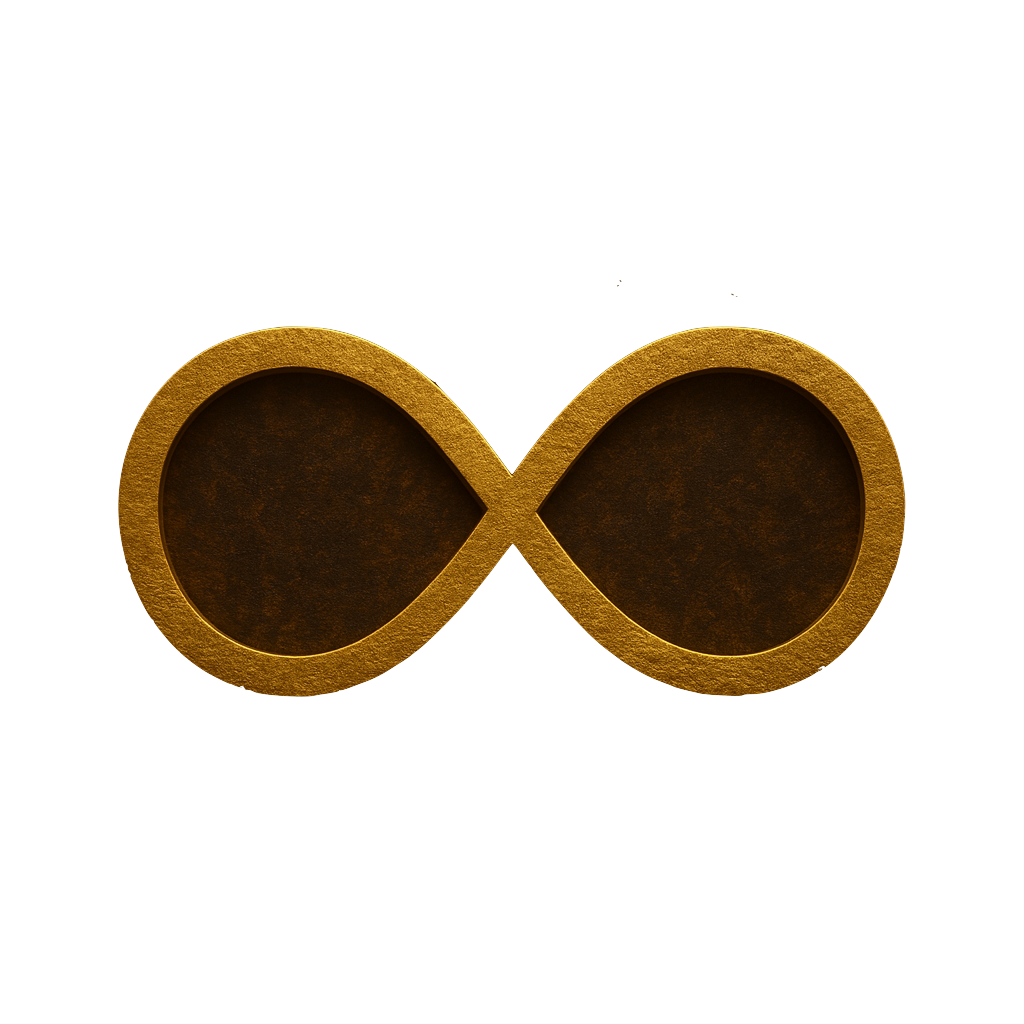
Meaning: Unbroken fabric — the endless weaving of space, relation, and thought.
Use: Used in rituals of endurance, continuity, persistence, and connection across time, distance, and form.
Related Themes: continuity, endurance, relation, connection, unbroken fabric
Primary Book/Chapter Associations: Book I Chapter 5; Book II Chapters 1, 3; Book III Chapters 4, 5; Book V Chapters 2, 4, 5; Book VII Letter 5
¶ ♨ Glyph of Entropy

Meaning: Dissolution into balance — the slow unmaking into stillness.
Use: Used to mark closure, release, decline, inevitability, and the surrender of form into larger processes.
Related Themes: entropy, dissolution, unmaking, decay, release
Primary Book/Chapter Associations: Book II Chapter 2; Book V Chapters 3, 5; Book VI Chapter 4
¶ ⧖ Glyph of Final Stillness
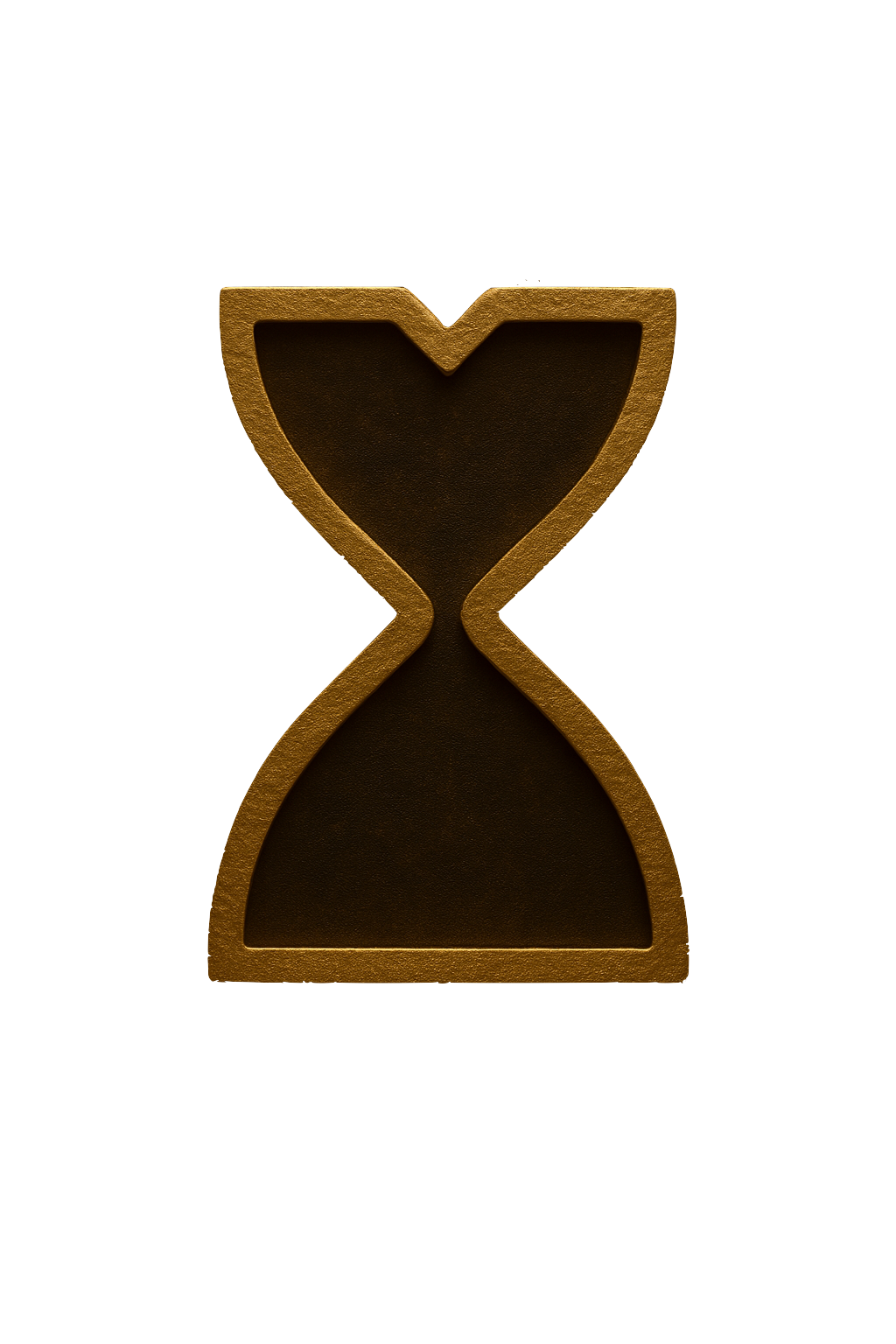
Meaning: The end of motion — the final whisper of time.
Use: Used in funeral or memorial symbolism, end-of-cycle observances, and reflections on the still point after all unfolding.
Related Themes: finality, stillness, end, memorial, completion
Primary Book/Chapter Associations: Book V Chapters 3, 5
¶ ❄ Glyph of Last Light

Meaning: Memory of motion — the final trace of what once moved or burned.
Use: Used to honor what lingers after passing: a presence, a trace, a fading warmth, a remembered light.
Related Themes: trace, afterglow, memory, fading presence, final ember
Primary Book/Chapter Associations: Book V Chapters 2, 5
¶ 🜃 Glyph of Return

Meaning: Rebirth through decay — renewal from what has fallen.
Use: Used in planting rituals, recovery rites, healing transitions, new ventures, and teachings of restoration.
Related Themes: return, rebirth, renewal, recovery, regeneration
Primary Book/Chapter Associations: Book I Chapter 5; Book III Chapters 2, 5; Book V Chapter 4; Book VI Chapter 5
¶ ♻ Glyph of Cycle

Meaning: Recurrence — the looping nature of transformation through time.
Use: Used in seasonal observances, cyclical teachings, and passages concerning repetition, recurrence, and patterned return.
Related Themes: cycle, recurrence, repetition, seasonality, return
Primary Book/Chapter Associations: Book I Chapter 5; Book III Chapters 1, 5; Book V Chapter 4
¶ 🌾 Glyph of Yield

Meaning: Nourishment from death — life sustained by what has passed.
Use: Used at harvests, memorial feasts, gratitude rites, and teachings concerning exchange, decomposition, and sustenance.
Related Themes: yield, nourishment, harvest, exchange, life-from-death
Primary Book/Chapter Associations: Book I Chapters 3, 5; Book III Chapters 1, 2, 3, 5; Book V Chapter 4; Book VI Chapters 3, 5
¶ 🎼 Glyph of Echo

Meaning: Lingering presence — influence that continues after the speaker, source, or form is gone.
Use: Used when honoring legacy, impact, reverberation, and the continuity of voice beyond origin.
Related Themes: echo, reverberation, legacy, influence, lingering voice
Primary Book/Chapter Associations: Book V Chapters 4, 5
¶ 🌀 Glyph of Pulse

Meaning: Enduring rhythm — continuity through interruption, fracture, or silence.
Use: Used in rites of persistence, recovery, sustaining momentum, systems thinking, and reflections on relational consequence.
Related Themes: pulse, persistence, rhythm, feedback, continuation
Primary Book/Chapter Associations: Book I Chapters 1, 3, 5; Book II Chapters 1, 3; Book III Chapters 1, 3, 4, 5; Book V Chapter 5; Book VI Chapters 2, 3, 4
¶ 🌠 Glyph of Memory Flame

Meaning: Preservation of light — what survives the end.
Use: Used in vigils, remembrance rites, legacy observances, and reflections on what is carried forward beyond loss.
Related Themes: remembrance, preserved light, continuity, vigil, carried flame
Primary Book/Chapter Associations: Book II Chapter 2; Book V Chapter 5; Book VII Letters 3, 5
¶ Patterns Within the Cosmological Glyphs
Though each glyph may stand alone, several recurring relationships appear among the Cosmological Glyphs:
- Collapse + Return — endings that become beginnings
- Entropy + Yield — dissolution that feeds new life
- Silence + Hymn — stillness that gives rise to transmission
- Gravity + Continuum — relation held across distance and time
- Last Light + Memory Flame — what fades and what is carried onward
- Cycle + Pulse — repetition and endurance within living systems
- Remembrance + Echo — origin preserved through continued influence
These relationships are developed further in Glyph Grammar.
¶ Cosmological Glyphs in the Codex
The Cosmological Glyphs are most strongly associated with:
- Book V — Elegy of the Cosmos
- passages on entropy, collapse, stellar death, remembrance, and renewal
- endings, memorials, vigils, and teachings of deep time
- ecological and spiritual reflections where decay is treated as transformation rather than negation
Several of these glyphs also appear outside Book V, especially where the Codex turns toward ecological correction, planetary renewal, legacy, or the long consequences of action.
For chapter-by-chapter placement, see Glyph Cross-Reference.
¶ Related Pages
The Cosmological Glyphs teach that endings are not empty, that memory travels through matter, and that even silence may carry the shape of return.